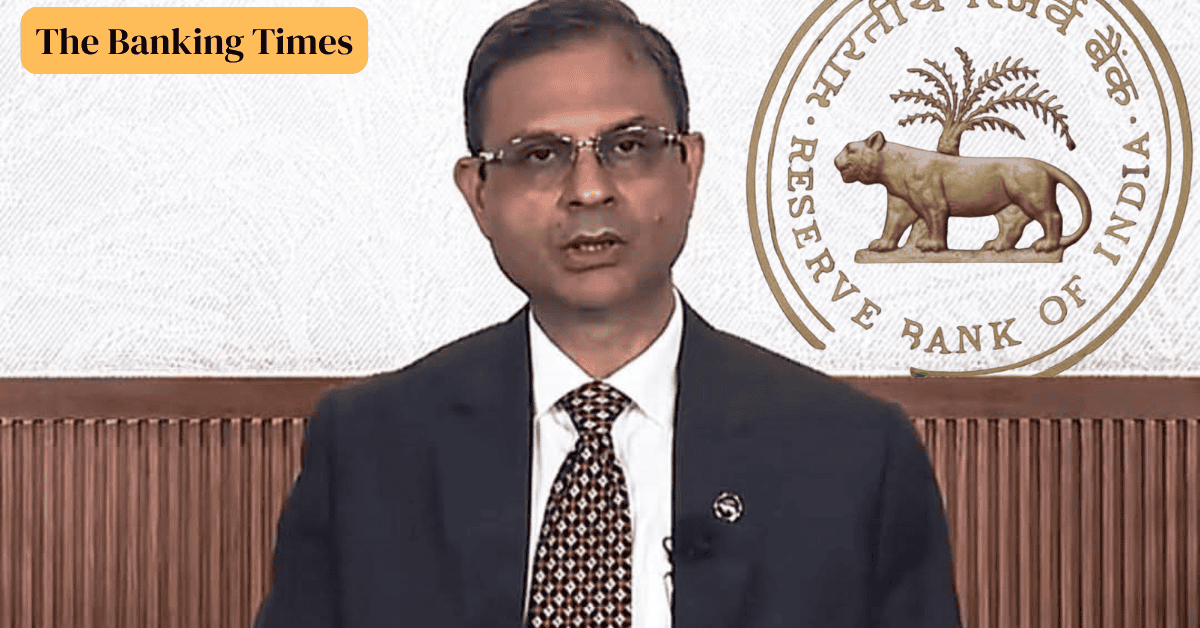
Mumbai, August 7, 2025 – The Reserve Bank of India (RBI) announced plans to conduct Variable Rate Reverse Repo (VRRR) auctions to withdraw ₹3 trillion from the banking system. This move is aimed at managing the excess liquidity in the financial system and ensuring short-term interest rates remain aligned with the central bank’s monetary policy objectives.
What is VRRR?
The Variable Rate Reverse Repo (VRRR) is a liquidity management tool used by the RBI. Under this mechanism, the RBI borrows funds from commercial banks for a specific duration by offering government securities as collateral. The interest rate at which the borrowing occurs is determined through an auction, where banks bid for the rate they are willing to accept.
How does VRRR work?
- RBI invites bids from banks to park their surplus funds.
- Banks submit their bids with the amount and interest rate they expect.
- RBI accepts the bids starting from the lowest interest rate until the total target amount (in this case ₹3 trillion) is reached.
- Banks receive government securities as collateral and their funds are locked for the auction duration (usually ranging from 1 day to 14 days).
This method helps remove excess liquidity from the system temporarily and keeps short-term money market rates closer to the policy repo rate.
Present context: Why RBI is conducting this VRRR now?
The RBI is facing a surge in liquidity in the banking system due to multiple factors, including:
- Government spending
- Return of ₹2,000 notes
- Subdued credit demand in some sectors
To avoid a situation where excess money in the system pushes interest rates below the policy rate, the RBI has opted for a VRRR auction of ₹3 trillion.
This is expected to:
- Reinforce the monetary policy stance
- Stabilize overnight rates
- Prevent mispricing of short-term credit
Economists note that this VRRR is part of RBI’s calibrated approach to deal with transient liquidity surpluses without making permanent changes to the monetary policy stance.
Leave a Reply