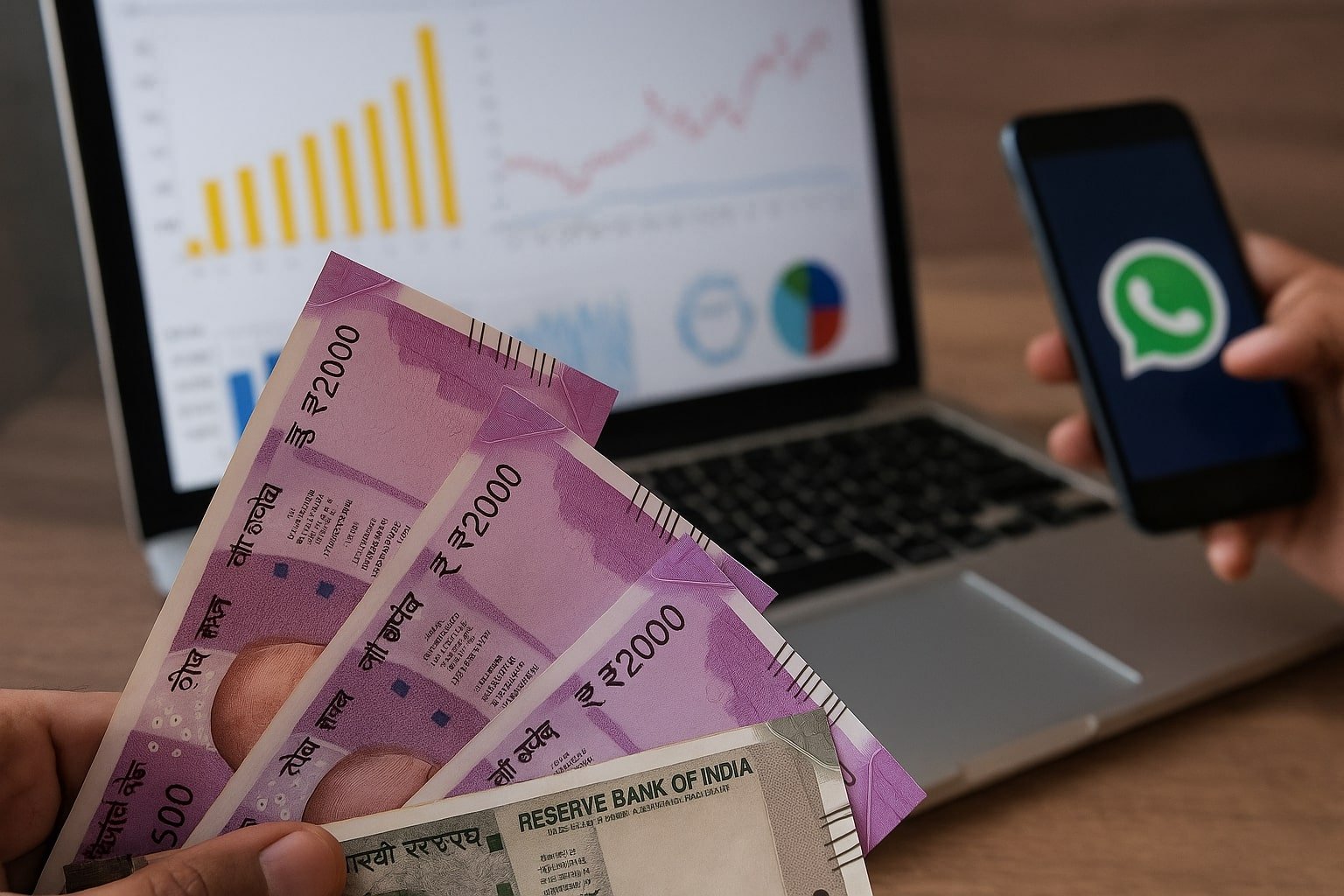
Synopsis: Nepal is set to lift its long-standing ban on Indian currency notes above ₹100 following a key amendment by the RBI. The move is expected to ease cross-border travel, trade, tourism, and remittances between India and Nepal after nearly a decade of restrictions.
Nepal to Allow Indian Currency Notes Above ₹100 After RBI Rule Change
In a major policy shift, Nepal is preparing to lift its long-standing ban on Indian currency notes above ₹100, a move that will significantly ease travel, trade, and remittance flows between the two neighbouring countries. The decision follows a recent amendment by the Reserve Bank of India (RBI) to India’s foreign exchange regulations, permitting the carriage of higher-denomination notes across borders.
The Nepal Rastra Bank (NRB), Nepal’s central bank, has confirmed that it is in the final stages of issuing an official notification. Once published in the Nepal Gazette, circulars will be issued to commercial banks and financial institutions to operationalise the new rules.
“We are in the final stage,” said Guru Prasad Poudel, spokesperson for the NRB. “The notification will be published in the Nepal Gazette, followed by official circulars to financial institutions. The effective date will be announced soon.”
Regulatory Change by RBI Sets the Stage
The RBI amendment, dated November 28, 2025 and published in India’s official gazette on December 2, paved the way for Nepal’s decision. Under the revised norms:
- Indian currency notes of up to ₹100 can be carried in any quantity
- Notes above ₹100 can be carried up to a total value of ₹25,000 while travelling between India and Nepal
Nepal had banned higher-denomination Indian notes such as ₹500, ₹1,000 and later ₹2,000 after India’s 2016 demonetisation, citing concerns over counterfeit currency and security risks. The restriction remained in force for nearly a decade.
Relief for Travellers, Workers, and Businesses
The lifting of restrictions is expected to provide major relief to travellers, traders, and migrant workers who frequently move between the two countries. Millions of Nepali citizens travel to India every year for employment, education, healthcare, and pilgrimage — often facing inconvenience due to the currency limitations.
“This was our long-standing request, and India responded positively,” Poudel said. “Many Nepalis working or studying in India were facing difficulties because of restrictions on higher denomination notes.”
Tourism experts believe the move will revive cross-border tourism and commerce in cities such as Janakpur, Pokhara, Butwal, Lumbini, and Birgunj, where Indian visitors contribute significantly to local economies.
Cash Still Crucial Despite Digital Push
Although Nepal has expanded QR-based and digital payment systems, cash remains essential, especially in rural and hilly regions with limited internet connectivity. Hospitality and tourism businesses have welcomed the decision, noting that physical currency is still vital for smooth transactions.
For decades, Indian rupees have been widely accepted in Nepal’s border towns, temples, and small markets. The ban on higher denominations had disrupted small-scale commerce, and its removal is expected to restore normal economic activity.
Boost to Remittances and Cross-Border Trade
The revised policy is also expected to streamline remittance flows from India to Nepal, benefiting thousands of Nepali workers employed in India. Analysts say it will reduce reliance on informal exchange channels and currency intermediaries.
Financial experts in Kathmandu have described the move as a landmark step toward stronger monetary cooperation and trust-building between the two nations.
Nearly a decade after the ban, the return of Indian currency notes above ₹100 marks a turning point in bilateral economic ties. By easing travel, boosting tourism, supporting remittances, and reviving border trade, the decision is expected to inject new momentum into India–Nepal economic relations.
📌 Key Takeaway
Nepal’s move to lift restrictions on Indian currency notes above ₹100 — enabled by RBI’s regulatory amendment — is set to ease daily transactions, revive tourism, strengthen remittances, and deepen economic trust between India and Nepal after nearly ten years of currency controls.