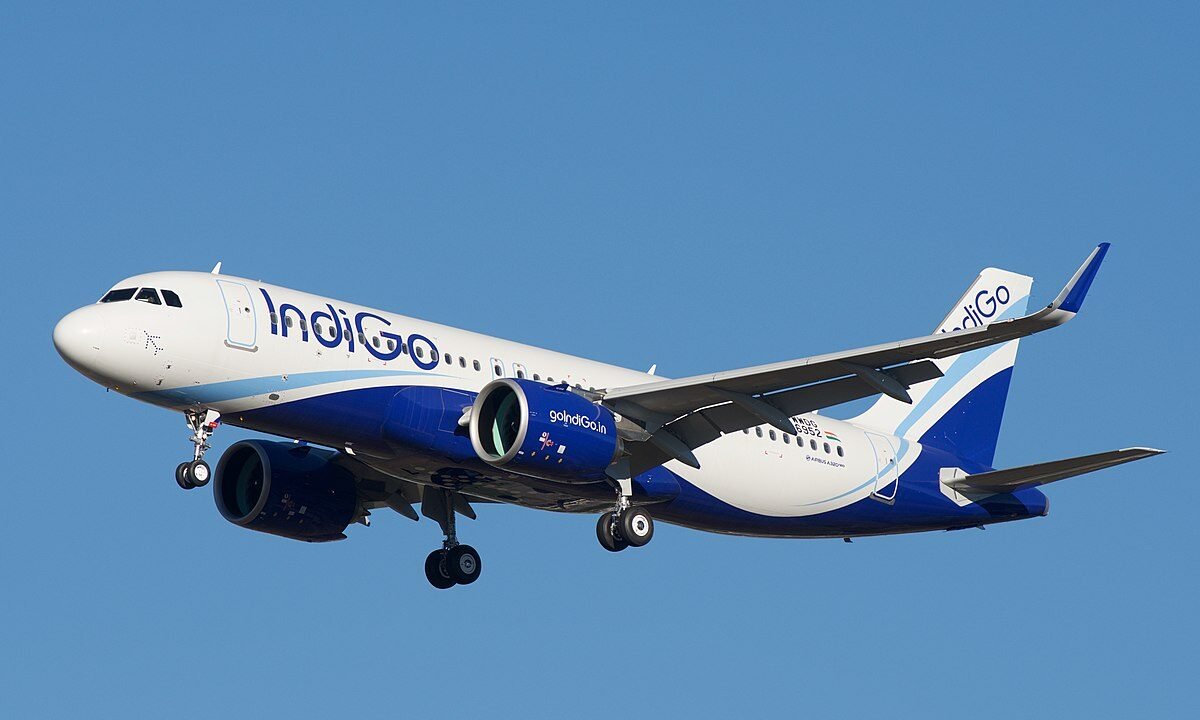
Synopsis: IndiGo faces a compensation bill exceeding ₹500 crore after cancelling nearly 4,500 flights in early December due to poor pilot rostering and failure to anticipate new crew duty norms. The disruption triggered DGCA action, dented passenger confidence, and raised broader questions about operational preparedness in India’s aviation sector.
IndiGo Faces ₹500+ Crore Compensation Hit After Mass Flight Cancellations
New Delhi: India’s largest low-cost carrier IndiGo is staring at a compensation payout estimated at over ₹500 crore after cancelling nearly 4,500 flights during the first week of December. The unprecedented disruption left thousands of passengers stranded across airports and marked one of the largest operational breakdowns in India’s aviation history.
The cancellations were triggered by poor pilot roster planning and the airline’s failure to factor in revised crew duty and rest regulations, resulting in widespread crew unavailability and mass grounding of aircraft.
IndiGo’s Statement and Compensation Plan
Responding to the backlash, IndiGo said in a post on X (formerly Twitter) that it is identifying flights where passengers were severely impacted, particularly those stranded on December 3, 4, and 5.
The airline announced compensation for:
- Passengers whose flights were cancelled within 24 hours of departure
- Travellers stranded at airports for extended periods
- Customers affected during the peak disruption window
Industry estimates suggest IndiGo’s financial burden could exceed ₹500 crore, covering refunds, hotel accommodation, meals, rebookings, and travel vouchers. This includes the airline’s earlier commitment to issue ₹10,000 vouchers to impacted passengers during the worst-hit days.
While IndiGo termed the disruption a temporary issue caused by “operational realignment,” analysts view it as a significant reputational setback for a carrier long associated with punctuality and reliability.
What Went Wrong
The crisis followed the rollout of new Flight Duty Time Limitation (FTL) norms that require longer rest periods for pilots and crew to enhance safety. Sources indicate that IndiGo’s rostering systems and manpower planning failed to adapt in time to these regulatory changes.
As a result, major hubs including Delhi, Mumbai, Bengaluru, and Hyderabad saw heavy congestion. Passengers reported long queues, poor communication, and limited rebooking options. The disruption spilled over into connecting flights, hotel reservations, and holiday travel plans, coinciding with the December peak travel season.
DGCA Action and Industry Impact
Following public outrage, the Directorate General of Civil Aviation (DGCA) ordered IndiGo to reduce its domestic winter schedule by 10% and ensure strict compliance with pilot rest norms.
The regulator also:
- Suspended four flight inspectors for oversight lapses
- Asked IndiGo’s top management to submit a detailed explanation
- Reviewed winter readiness with airport and airline officials
Aviation Minister K. Ram Mohan Naidu chaired a high-level meeting with DGCA and Airports Authority of India (AAI) officials, stressing the need for operational preparedness during peak travel periods.
Brokerages expect short-term pressure on IndiGo’s Q3 financial performance, with downward revisions to capacity and yield forecasts. However, long-term prospects remain stable due to the airline’s scale, fleet strength, and market leadership.
Meanwhile, rival carriers such as Akasa Air and Air India Express are expected to gain short-term market share as passengers look for alternatives.
Lessons for the Aviation Sector
Industry experts say the episode exposes deeper structural issues in India’s rapidly expanding aviation market — including pilot shortages, inadequate rest planning, and over-dependence on automated scheduling systems.
Aviation consultant Satyendra Bhargava observed, “This incident highlights the need for proactive compliance with safety regulations. Crew welfare and realistic scheduling cannot be compromised for short-term operational efficiency.”
The Road Ahead
IndiGo has launched a comprehensive review of its rostering and operational planning systems and is working closely with the DGCA to stabilise services. The airline claims that over 90% of operations have normalised, though industry sources suggest full recovery could take several weeks.
For now, India’s most successful airline faces one of its toughest tests — a moment that could reshape how domestic carriers balance efficiency, safety compliance, and customer trust in an increasingly demanding travel environment.
📌 Key Takeaway
IndiGo’s mass cancellations underscore the risks of inadequate crew planning amid regulatory changes. While the airline remains fundamentally strong, the episode serves as a wake-up call for India’s aviation sector to prioritise safety compliance, crew welfare, and crisis preparedness alongside rapid growth.