Synopsis: Indian banks have written off loans worth Rs. 9.75 lakh crore over the past 11 years, as informed by the government in Parliament. However, the Finance Ministry clarified that loan write-offs do not mean waiver, and borrowers remain legally liable for repayment.
Banks Write Off Rs. 9.75 Lakh Crore Loans in 11 Years, Government Clarifies No Waiver
Banks in India have written off loans amounting to approximately Rs. 9.75 lakh crore over the past 11 financial years, the government informed Parliament. The Finance Ministry clarified that such write-offs are part of standard accounting practices and do not result in loan waivers.
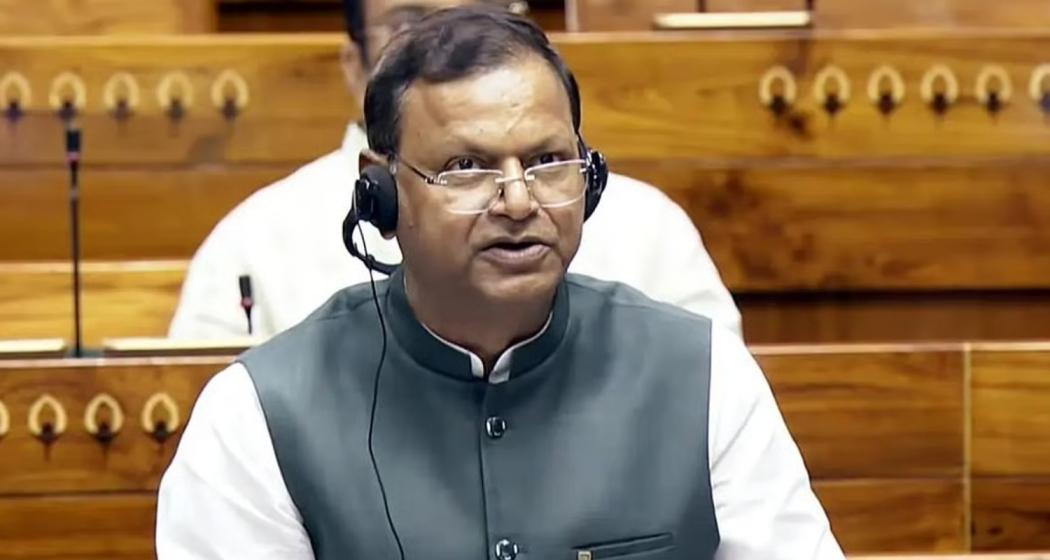
In a written reply to the Lok Sabha, Union Minister of State for Finance Pankaj Chaudhary stated that banks follow guidelines issued by the Reserve Bank of India (RBI) while writing off non-performing assets (NPAs).
Write-Off Does Not Mean Loan Waiver
The minister emphasized that writing off loans does not absolve borrowers of their repayment obligations.
Banks typically write off NPAs after making full provisions over a period of four years, in accordance with RBI norms and board-approved policies. However, borrowers remain liable for repayment even after the loan is written off.
Banks continue recovery efforts through legal and institutional channels despite the accounting write-off.
Trend of Loan Write-Offs Over the Years
Government data shows that loan write-offs increased significantly during the late 2010s, followed by a gradual decline in recent years.
- FY15: Rs. 31,723 crore
- FY16: Rs. 40,416 crore
- FY17: Rs. 68,308 crore
- FY18: Rs. 99,132 crore
- FY19: Crossed Rs. 1 lakh crore
- FY20: Rs. 1.59 lakh crore (highest)
- FY25: Rs. 47,568 crore
The data indicates that write-offs peaked around FY20 and have declined in subsequent years.
Reason Behind Surge in Write-Offs
The increase in write-offs during earlier years was largely due to a comprehensive clean-up of stressed assets in the banking system.
Following stricter asset recognition norms introduced by the RBI, banks were required to identify bad loans more aggressively and make higher provisions. This led to a significant rise in write-offs as part of balance sheet cleaning exercises.
Ongoing Recovery Efforts by Banks
Despite writing off loans in their books, banks continue to pursue recovery through various legal mechanisms.
These include:
- Proceedings under the SARFAESI Act
- Cases filed with the National Company Law Tribunal (NCLT)
- Actions through Debt Recovery Tribunals (DRTs)
- Asset sales and settlement processes
Officials have stated that recoveries from written-off accounts remain an ongoing process, with banks actively attempting to recover dues wherever possible.
Declining Trend Reflects Improved Asset Quality
The recent decline in write-off amounts suggests an improvement in asset quality and credit discipline within the banking system. Enhanced monitoring, better underwriting standards, and regulatory reforms have contributed to reducing fresh NPAs.
📌 Key Takeaway
Banks have written off Rs. 9.75 lakh crore in loans over 11 years as part of standard NPA management practices. However, write-offs do not mean loan waivers, and borrowers remain legally liable while banks continue recovery efforts through legal channels.